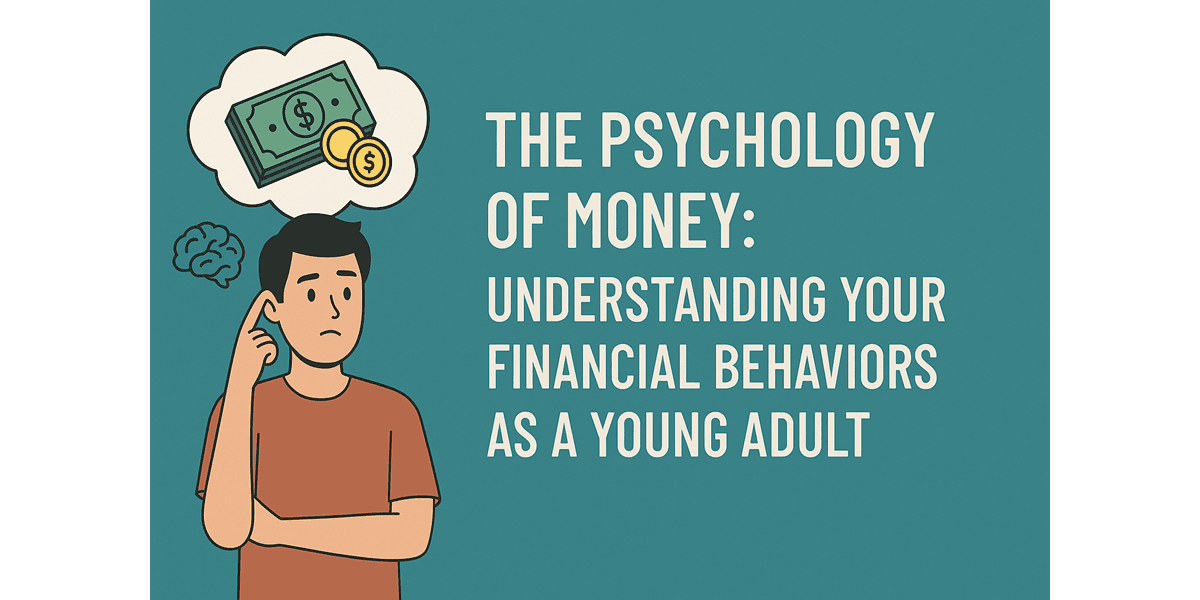
The Psychology of Money: Understanding Your Financial Behaviors as a Young Adult
As a young adult, you’re at a pivotal stage in life—starting your career, managing bills, building credit, and trying to save for your future. The fin...
As a young adult, you’re at a pivotal stage in life—starting your career, managing bills, building credit, and trying to save for your future. The financial decisions you make now can have long-lasting effects on your lifestyle, opportunities, and even your mental well-being.
But here’s the truth: navigating personal finance isn’t just about knowing what to do; it’s also about understanding why you do it.
Your relationship with money is deeply influenced by your upbringing, experiences, and emotions. If money stresses you out or you find it hard to save, you’re not alone—and you’re not broken. The reality is, our financial behaviors are often shaped more by psychology than logic. By recognizing these influences, you can make better choices and set yourself up for long-term financial health.
Money Lessons from Childhood
Think back to how your family handled money when you were growing up. Did they live paycheck to paycheck, or were they disciplined savers? Did you watch them splurge when money came in, or carefully plan every dollar? Were money conversations open—or completely off-limits?
These early exposures form what psychologists call money scripts—unspoken beliefs that guide how you behave with money today. For example:
If your family always worried about bills, you may associate money with anxiety.
If money was used as a reward or punishment, you may connect it to self-worth.
If your family was generous but financially unstable, you might struggle to balance giving with saving.
Money scripts often stick with us into adulthood, even when our circumstances change. Maybe you hesitate to spend even though you earn enough now, because scarcity was your childhood reality. Or maybe you overspend to compensate for years of going without.
Recognizing these patterns is the first step toward rewriting your script. Ask yourself: Do my current money habits reflect my goals—or my past?
The Emotion Behind Spending
Spending money isn’t just a rational decision—it’s an emotional one. Shopping can trigger the release of dopamine, the brain’s “feel-good” chemical. That’s why stress, boredom, or sadness often lead to impulse buys.
As a young adult, you’re surrounded by constant temptations:
Social media showing curated lifestyles of peers.
One-click shopping that makes spending effortless.
Buy now, pay later services that mask the reality of debt.
This can make it feel like everyone else is ahead, fueling a cycle of comparison and overspending. But those quick highs come at a cost: lingering debt, drained savings, or financial regret.
To break the cycle, try building small habits:
Pause before purchases. Ask, “Am I buying this for the moment—or for my long-term goals?”
Create a wish list. Instead of buying immediately, add items to a list. Revisit it later—if you still want it, it may be worth it.
Identify triggers. Notice when you tend to spend emotionally—after work stress? When scrolling Instagram? Awareness reduces impulsivity.
Identity, Self-Worth, and Money
For many young adults, money becomes tied to identity. Success is measured by how much you make, the apartment you rent, or the vacations you post online. This can create shame if you feel like you’re not “keeping up.”
But here’s the important reminder: your net worth does not define your self-worth.
Financial shame often leads to avoidance—ignoring bank statements, pushing off student loan planning, or delaying budgeting altogether. Breaking this cycle means separating who you are from what you have. Money is a tool, not a scoreboard.
Building Financial Confidence
Understanding your psychology is only half the battle. The other half is building systems that make smart money decisions easier. Here are strategies that can help:
Budget Realistically Traditional budgets often fail because they’re too rigid. Instead, build a flexible plan that reflects your real lifestyle. Apps like YNAB, Mint, or simple spreadsheets can help you track without judgment.
Automate Savings Don’t rely on willpower—set up automatic transfers into savings or investment accounts. Even $10–$20 a week grows over time. Starting small builds consistency, which matters more than amounts early on.
Build an Emergency Fund Financial stress often comes from uncertainty. Having even $500–$1,000 set aside can provide peace of mind and prevent credit card reliance in emergencies.
Start Building Credit Wisely Your credit score impacts renting apartments, getting loans, even job opportunities. Use a credit card responsibly—paying in full each month—so you build positive history without falling into debt traps.
Talk About Money One of the healthiest moves you can make is breaking the money taboo. Discuss budgeting, goals, and challenges with friends or partners. You’ll likely discover they share similar struggles, and you can learn from each other’s strategies.
The Influence of Culture and Society
It’s not just personal psychology—society also shapes how young adults view money. Advertising encourages consumerism, student loan systems create long-term debt, and financial literacy education is often lacking.
Add to this the pressure of social media, where financial realities are hidden but lifestyle displays are constant, and it’s no wonder so many young adults feel behind. Recognizing these external pressures can help you resist them. When you realize that the system is designed to make spending easy and saving hard, you can consciously take steps to opt out of unhealthy norms.
Practical Ways to Reframe Your Mindset
Focus on values, not numbers. Instead of saying “I want $10,000 in savings,” tie goals to meaning: “I want the freedom to travel” or “I want security if I lose my job.”
Celebrate small wins. Paid off a credit card? Saved your first $500? Acknowledge progress—it builds momentum.
Practice gratitude. Research shows gratitude reduces the desire to overspend by shifting focus from what you lack to what you already have.
Seek knowledge. Read books, listen to podcasts, or follow credible finance educators. Knowledge reduces fear and builds confidence.
Final Thoughts
As a young adult, you’re standing at the crossroads of financial independence and lifelong habits. Your money behaviors today are influenced not just by math, but by memories, emotions, and the world around you.
The good news? You don’t have to be perfect—you just have to be aware. By examining your money scripts, pausing before emotional purchases, and building confidence through small, consistent steps, you can take control of your financial story.
Money isn’t just about dollars—it’s about decisions, mindset, and meaning. The earlier you understand your psychology of money, the better equipped you’ll be to shape your financial future with confidence, freedom, and resilience.