🔁📘 Building a Credit Control Routine — A Simple Monthly System That Works
Most people don’t struggle with credit because they lack knowledge. They struggle because credit management is treated as something to think about onl...
Most people don’t struggle with credit because they lack knowledge. They struggle because credit management is treated as something to think about only when something goes wrong.
A declined application.
An unexpected score drop.
A letter or alert that triggers panic.
By the time credit becomes urgent, the best options are often already limited.
The most effective way to stay in control of credit isn’t intensity or constant attention. It’s routine.
A simple, repeatable system that creates visibility, catches issues early, and builds confidence over time.
Credit control isn’t complicated. It’s just rarely organised.
🧠 Why Consistency Beats Intensity Every Time
Many households approach credit in bursts:
Hours of research after a problem appears
Aggressive paydowns followed by long gaps
Frequent checking for a few weeks, then nothing
This stop-start pattern creates stress without stability.
Credit systems don’t respond to bursts of effort. They respond to small, regular actions repeated over time.
Predictable patterns.
Gradual improvement.
Fewer surprises.
A 30-minute monthly routine is far more powerful than occasional deep dives. It keeps credit visible without making it overwhelming or emotionally charged.
⚠️ The Hidden Risk of “Emergency-Only” Credit Checks
One of the most common habits is only checking credit:
Before applying for something.
After a score drop.
When a problem is already obvious.
This reactive approach has two major downsides:
It limits options.
It increases anxiety.
When credit is only reviewed during emergencies, it starts to feel unpredictable and intimidating. Regular check-ins normalise credit and reduce emotional responses.
Routine replaces fear with familiarity.
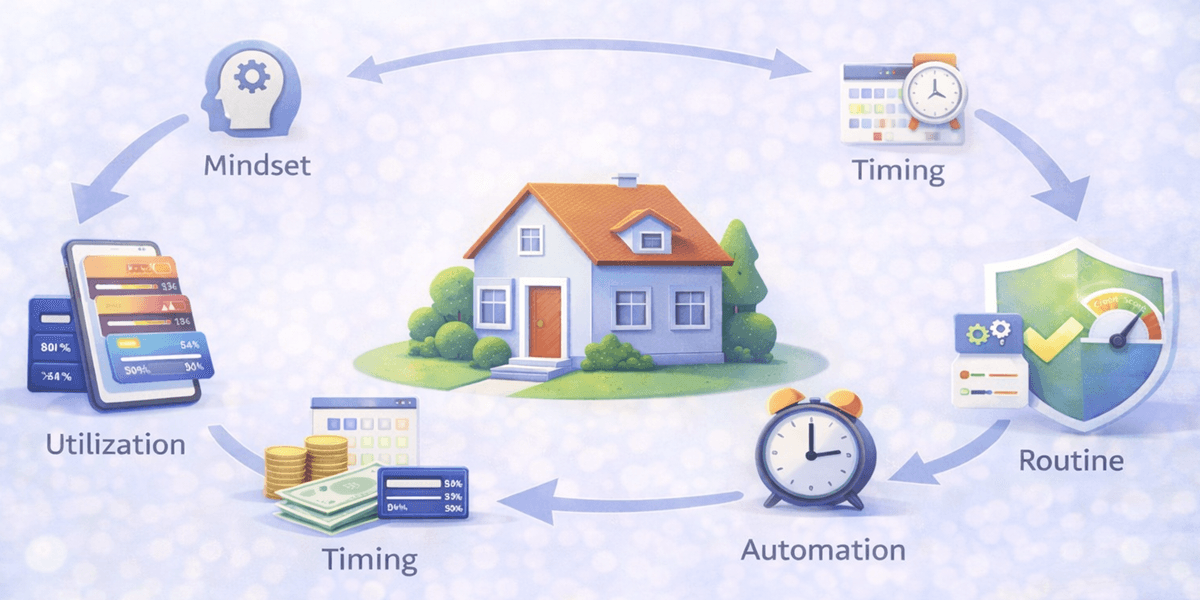
🔁 The Goal of a Credit Control Routine
A good routine does not aim to:
Maximize scores every month.
Track every minor fluctuation.
Create constant alerts or pressure.
Instead, it aims to:
Maintain visibility.
Protect against surprises.
Support deliberate decisions.
Build long-term confidence.
This is about control — not perfection.
⏱️ The 30-Minute Monthly Credit Check (Step by Step)
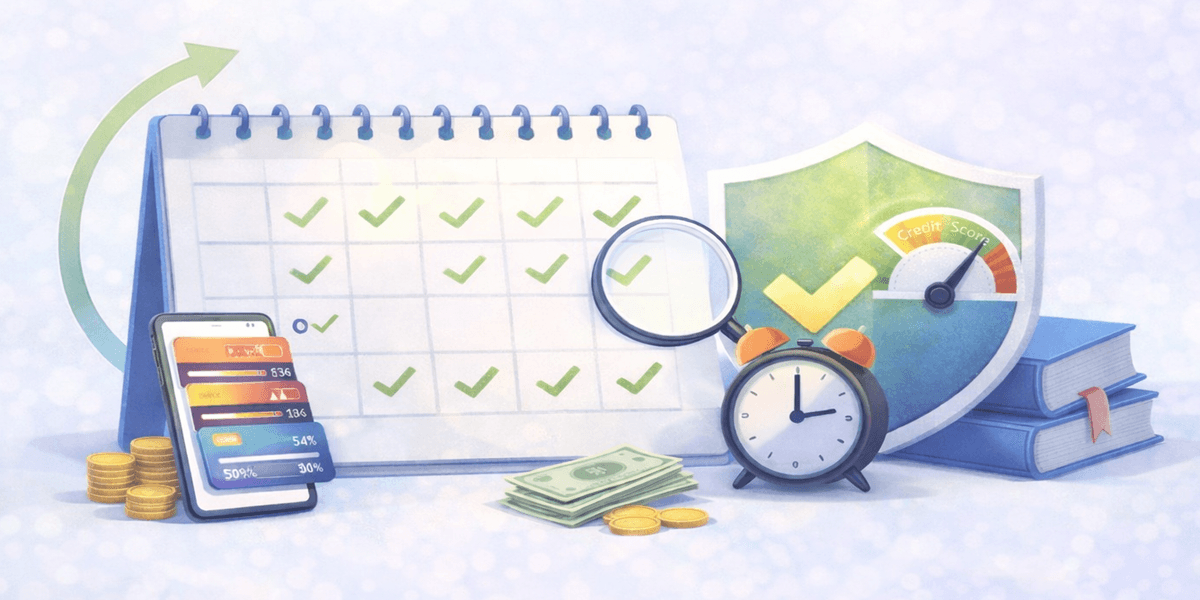
This routine is intentionally simple. It’s short enough to stick to, and structured enough to matter.
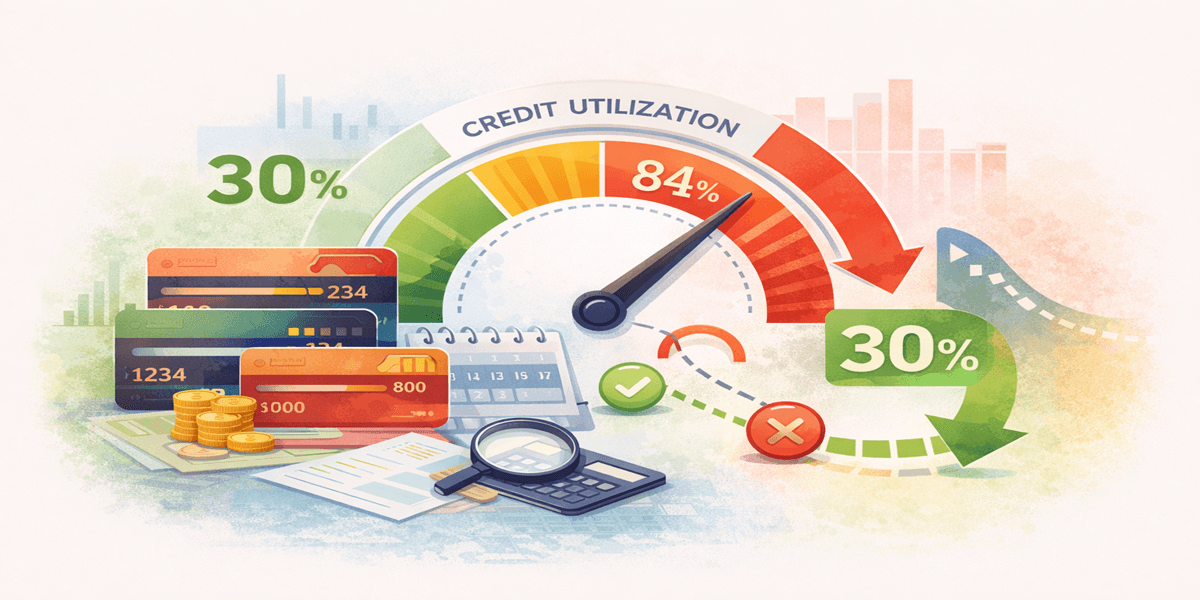
📉 Step 1: Review Balances & Utilisation (10 minutes)
Start with the present moment.
Look at:
Current balances on each revolving account.
Credit limits.
Utilisation per card.
Overall utilisation.
You’re not judging. You’re observing.
This step helps you:
Spot rising balances early.
Identify which card is driving utilisation.
Avoid accidental threshold crossings.
If one card stands out, that’s useful information — not a failure.
✅ Step 2: Confirm Payments Posted Correctly (5 minutes)
Next, make sure the system is working as expected.
Check that:
Recent payments have been posted.
No payments are marked late incorrectly.
Autopay is active where intended.
This step catches:
Processing errors.
Missed autopay setups.
Timing issues.
It protects the most sensitive part of your credit profile: payment history.
🔔 Step 3: Scan Alerts & Unfamiliar Activity (5 minutes)
Now look for anything unusual.
Scan for:
New account alerts.
Balance spikes.
Identity-related notifications.
Changes you don’t recognise.
Most months, nothing will stand out — and that’s the point. When something does appear, early detection limits damage and keeps responses calm.
🔁 Step 4: Adjust One Balance or Due Date (5 minutes)
This is where routine turns into progress.
You’re not fixing everything — just one small thing:
Make an early payment to lower utilisation.
Adjust a due date to better match income.
Reduce spending on a high-utilisation card.
Small adjustments compound over time. Consistency matters more than size.
🧠 Step 5: Log One Note for Next Month (5 minutes)
Finally, capture context.
Write down:
What changed.
What to watch next month.
Any upcoming timing considerations.
This could be a note in an app, a spreadsheet, or a notebook. Logging builds continuity. It turns isolated actions into a system.
🔁 Why This Routine Works
This routine works because it:
Reduces uncertainty.
Creates predictability.
Prevents escalation.
Builds familiarity.
Credit becomes something you manage, not something that happens to you.
Over time, this approach:
Lowers stress.
Improves decision quality.
Stabilises utilisation.
Supports better outcomes naturally.
📘 Optional Quarterly Credit Check (Deeper Visibility)
Every few months, it helps to zoom out.
📄 Full Credit Report Review
Look for:
Accuracy.
Closed accounts reporting correctly.
Duplicate or outdated information.
This isn’t about frequent disputes — it’s about awareness.
🧾 Subscription & Commitment Audit
Credit often supports recurring expenses.
Quarterly checks help identify:
Forgotten subscriptions.
Payments that quietly increased.
Commitments that no longer fit.
Reducing unnecessary charges improves both cash flow and utilisation.
🎯 Credit Goal Reset
Ask yourself:
What am I preparing for next?
Do my current habits support that goal?
Goals change. Credit routines should adapt accordingly.
🏠 Building Confidence Through Visibility
Confidence with credit doesn’t come from:
High scores alone.
Perfect histories.
Constant monitoring.
It comes from understanding what’s happening and why.
When households can explain their own credit behaviour:
Decisions feel intentional.
Offers feel less tempting.
Emergencies feel manageable.
Visibility builds confidence. Routine maintains it.
⚠️ Common Routine Pitfalls to Avoid
❌ Trying to Fix Everything at Once Over-correction leads to burnout.
❌ Obsessing Over Small Score Changes Focus on behaviour, not daily fluctuations.
❌ Skipping Months Because “Nothing Changed” Those are often the most important months.
❌ Only Acting When Something Goes Wrong Routine prevents problems before they appear.
✅ Reader Takeaway
🔁 Credit control isn’t complicated — it’s just rarely organised effectively.
You don’t need to think about credit every day. You don’t need perfect discipline. You don’t need to chase numbers.
You need:
A short routine.
Clear visibility.
One small action at a time.
When credit management becomes routine, control follows naturally.