🧠🏠The Home Economy Mindset — Why Credit Problems Usually Start at Home? — we discuss practical tools that help households take control of their finances
Most people think credit problems begin with a mistake — a missed payment, a maxed-out card, or an unexpected expense. In reality, credit stress usual...
Most people think credit problems begin with a mistake — a missed payment, a maxed-out card, or an unexpected expense. In reality, credit stress usually starts much earlier and much closer to home.
It starts with how the home economy is organized.
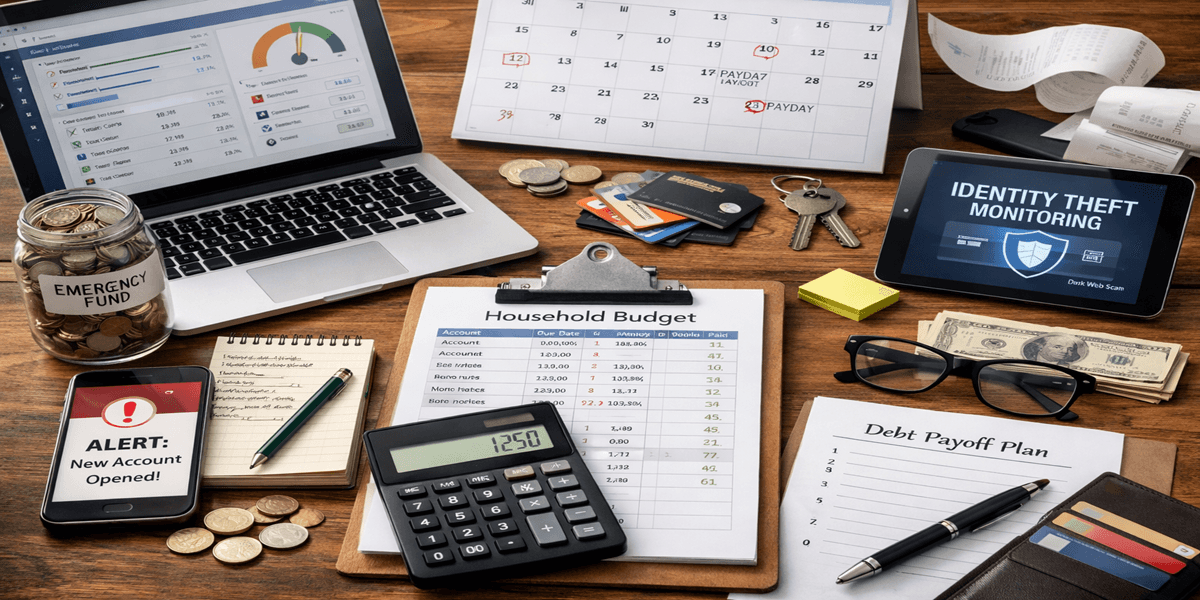
The home economy is the system that connects income, bills, credit, savings, and financial risk. When this system lacks visibility or structure, credit outcomes become unpredictable — even for people who earn good money and try to stay on top of things.
The good news is that control doesn’t come from perfection. It comes from using the right tools in the right order.
🧠 Understanding the Home Economy System
A home economy includes five moving parts:
💵 Income flow (how and when money arrives)
📆 Obligations (bills, subscriptions, debt payments)
💳 Credit usage (cards, loans, limits, balances)
📉 Risk exposure (utilization, missed payments, identity risk)
🔔 Visibility (monitoring, alerts, reviews)
Credit reports respond to patterns created by this system. When one part is misaligned — especially timing or visibility — credit issues tend to follow.
This is why improving credit starts with tools that bring clarity, not quick fixes.
🛠️ Tool 1: The Household Credit Map (Your Foundation Tool)
The Household Credit Map is an important starting point. It provides you with a snapshot of your finances.
Many consumers know they “have a few cards,” but lack a complete picture.
A credit map brings everything into one place:
What it includes
💳 Account name (card or loan)
📊 Credit limit
📉 Typical balance
📆 Statement date
⏰ Due date
🔁 Autopay status
Why it matters
Reveals which accounts drive utilization
Explains why scores fluctuate unexpectedly
Highlights timing conflicts between income and bills
Reduces forgotten or neglected accounts
This tool alone often explains most credit frustration.
📄 Tool 2: Credit Report & Account Overview Tools
Credit reports are not just for disputes or loan applications. Used regularly, they function as a health record for your home economy.
What these tools show
Account status (open, closed, delinquent)
Payment history patterns
Balance-to-limit ratios
Account age and mix
How they support control
Spot issues before they compound
Identify dormant or unnecessary accounts
Confirm payments are reporting correctly
Provide context for future decisions
Reviewing reports isn’t about judgment — it’s about situational awareness.
🔔 Tool 3: Credit Monitoring & Alert Tools
Monitoring tools act as early warning systems. Their purpose is not to generate anxiety, but to shorten response time.
High-value alerts
New account opened
Late payment reported
Balance spikes near limits
Changes to account status
Why they help
Reduce damage duration
Prevent surprises during applications
Catch fraud or errors early
Support proactive adjustments
Used correctly, monitoring tools reduce stress by eliminating the unknown.
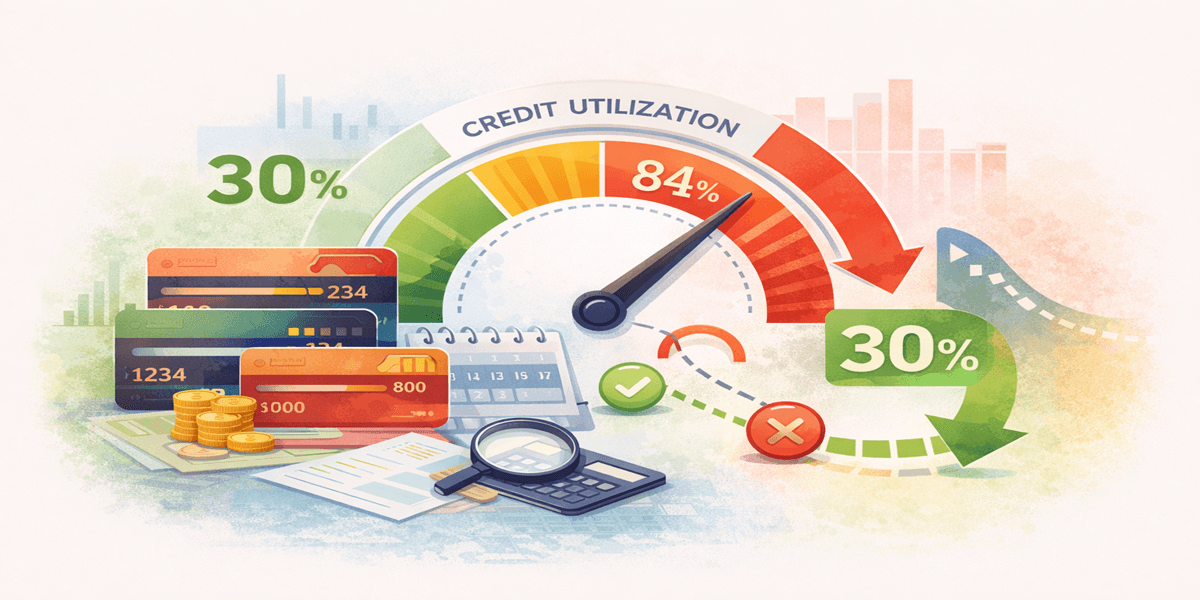
📉 Tool 4: Utilization & Balance Tracking Tools
Utilization is one of the most influential — and most controllable — factors in credit outcomes.
Utilization tools track:
📊 Total utilization across all accounts
💳 Individual card utilization
📆 Balance reporting timing
📉 Trend changes over time
Why these tools matter
One high-balance card can outweigh good habits elsewhere
Reported balances often depend on statement dates
Small timing changes can improve outcomes quickly
These tools turn utilization from a mystery into a manageable variable.
📆 Tool 5: Bill Calendars & Cash-Flow Planners
Many credit issues are timing problems, not affordability problems.
Cash-flow tools show:
When income arrives
When bills are due
Where gaps exist
How credit fills those gaps
What a bill calendar provides
Visibility into clustered due dates
Opportunities to align bills with paydays
Early warning for tight months
Reduced reliance on credit for timing gaps
When cash flow becomes predictable, credit stabilizes naturally.
🧮 Tool 6: Calculators & Scenario Tools
Financial calculators don’t make decisions — they remove guesswork.
Useful tools include:
Utilization impact calculators
Paydown modeling tools
Payment timing scenarios
Balance transfer estimators
Why they help
Show consequences before action
Reduce emotional decision-making
Support planning instead of reacting
Build confidence through clarity
These tools transform uncertainty into informed choice.
🛡️ Tool 7: Identity & Risk Protection Tools
Identity protection tools don’t prevent all problems — they reduce exposure and recovery time.
They help by:
Alerting you to compromised data
Monitoring dark web activity
Supporting faster response to fraud
Protecting long-term credit history
In the home economy, these tools act like insurance — quiet until needed, critical when they are.
🧠 Tool 8: Education & Context Tools
Understanding why things happen is as important as seeing what happens.
Education tools provide:
Explanations of credit behavior
Context for score movement
Guidance on timing and risk
Confidence to act deliberately
Households with context make calmer, more consistent decisions.
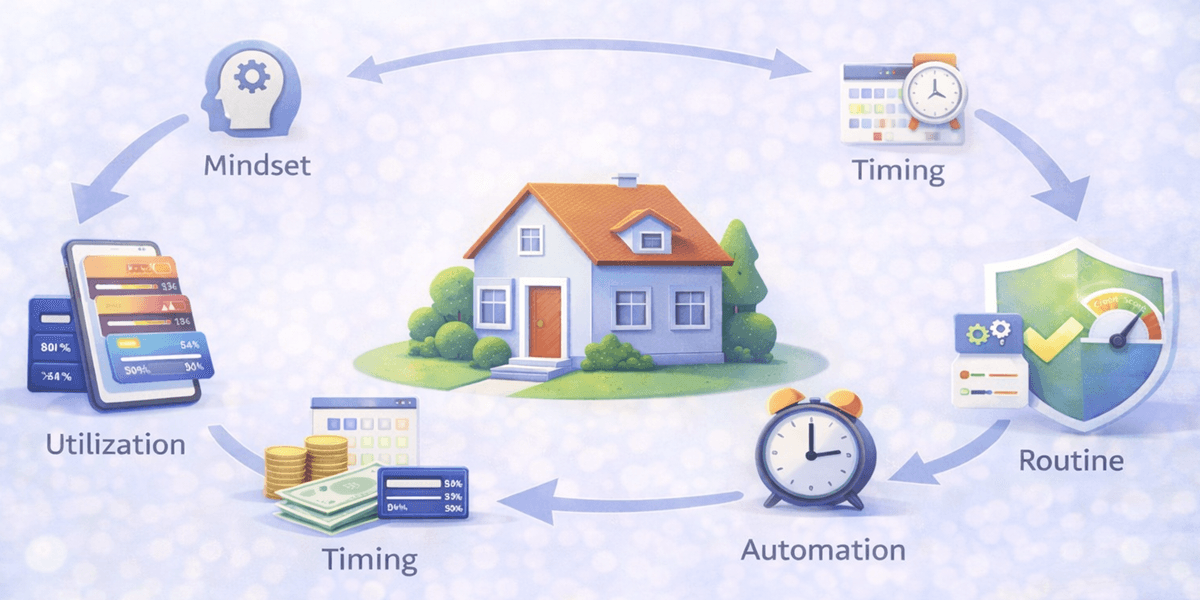
🔁 How These Tools Work Together
No single tool fixes credit. Control comes from layering tools:
🛠️ Credit Map → clarity
📄 Reports → accuracy
🔔 Monitoring → awareness
📉 Utilization tools → control
📆 Cash-flow tools → stability
🧮 Calculators → confidence
🛡️ Protection → resilience
🧠 Education → consistency
This is the home economy system in action.
✅ Final Takeaway
🧠 Credit problems usually start at home — not because people fail, but because systems lack visibility.
With the right tools:
Credit becomes predictable
Stress decreases
Decisions improve
Outcomes follow naturally
This foundation makes everything else in the series possible. Next, we explore how to monitor credit without creating stress or obsession.
YourCreditInsights can help you with the tools you need to take more effective control of your finances.
🛠️ Household Credit Map → Dashboard snapshot
📄 Credit Overview → Full report access
🔔 Monitoring → Alerts & notifications
📉 Utilization → Balance meters
📆 Cash-flow tools → Bill calendar
🧮 Calculators → Scenario modeling
🛡️ Protection → Identity monitoring
🧠 Education → Guided insights