🎅Santa Isn’t the Only One Making a List: Build a Safer, Smarter Holiday Budget🛍️
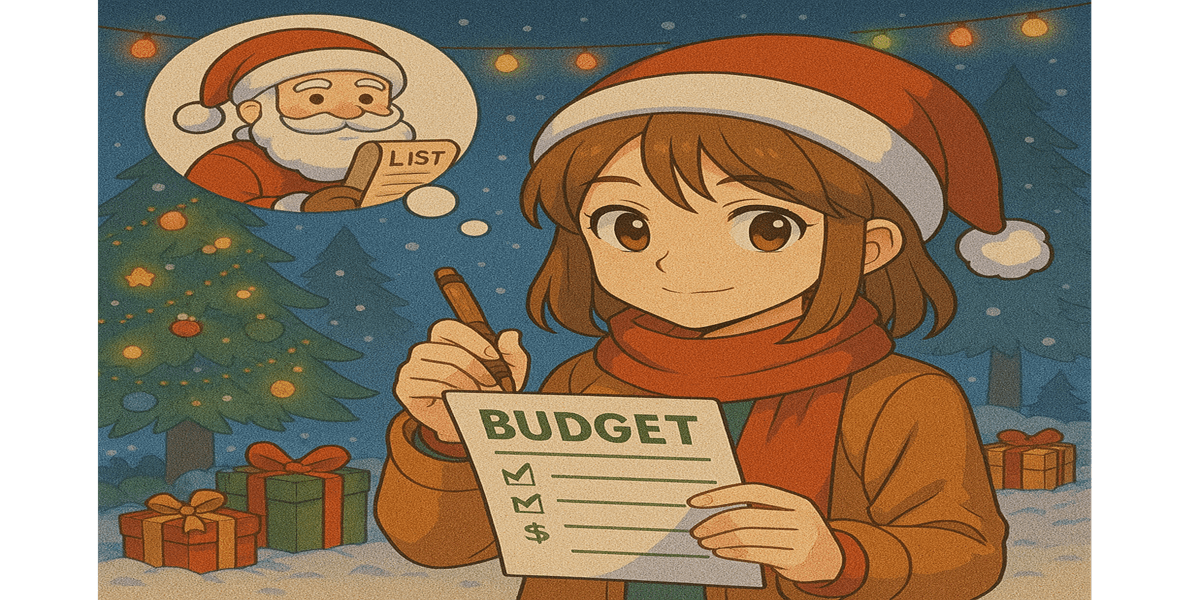
During the holiday season, most people spend more money, make more purchases, and take more financial shortcuts than at any other time of year. And while the festive spirit encourages generosity and celebration, it can also lead to stress, overspending, and credit challenges that linger long after the decorations come down.
But there’s a solution—an old one, actually. One timeless tool that Santa himself uses all season long: a list.
Making a thoughtful, smart holiday budget is one of the best ways to protect your credit, avoid identity risks, and stay financially confident from Thanksgiving through New Year’s Day.
Let’s create a holiday budgeting plan that even Santa would approve of—one that keeps your credit safe, your spending intentional, and your holiday season joyful.
🎁Why Holiday Budgeting Matters More Than Ever
The average US consumer spends hundreds to thousands of dollars during the winter season on:
Gifts
Travel
Food and entertainment
Decorations
Winter clothing
Donations
And while spending itself isn’t the problem, unplanned spending can create:
High credit card balances
High utilization ratios
Late payments
BNPL overload
Post-holiday financial stress
Increased fraud vulnerability
A smart holiday budget doesn’t restrict your joy—it protects it.
Step 1: Create Your Own “Santa’s List” (A Spending Blueprint)
Santa doesn’t deliver gifts without a plan—and neither should your budget. A good holiday budget has three parts:
🎅 1. Your Gift List
Write down who you’re buying for, and set a spending limit for each person.
Examples:
Kids: $100
Partner: $80
Parents: $40 each
Friends: $20–$30 each
Coworkers: $10–$15 each
Then stick to it.
🎄2. Your Seasonal Expenses
Most people forget these extra costs:
Holiday travel
Wrapping supplies
Christmas cards
Holiday dinners
Work or school events
Cold-weather essentials
These are sneaky budget-breakers.
✨3. Your Contingency Cushion
Set aside 5–10% for unexpected expenses:
Last-minute gifts
Event tickets
Delivery fees
School or work contributions
Think of it as holiday “snow insurance.”
Step 2: Decide How Much You Can Really Spend (Not “Hope” to Spend)
Holiday emotions can cloud judgment. To stay realistic, calculate:
Your monthly income – minus your necessary bills – minus savings goals = your holiday spending budget
Your holiday spending should not push you into:
Relying on credit
Missing essential payments
Using emergency savings
Paying interest for months afterward
🎀 Tip:
Consider using a separate holiday fund or prepaid debit card to avoid going overboard.
Step 3: Use the “Naughty or Nice” Spending Filter
Before purchasing anything, ask:
🎄 Nice List:
Is this planned?
Is it within budget?
Is it important or meaningful?
🔥 Naughty List:
Is this impulsive?
Am I buying due to stress or pressure?
Is this something I didn’t plan for?
This simple test prevents emotional overspending and protects your credit from surprise debt.
Step 4: Track Your Purchases (So They Don’t Snowball)
⛄Tracking holiday spending doesn’t have to be boring. You can use:
Notes app on your phone
Holiday budgeting apps
Spreadsheets
Envelope systems
Pre-set spending limits per card
The key is visibility—without tracking, even small purchases can pile up like snowflakes into a full-blown snowstorm.
Step 5: Beware of Holiday Shopping Traps
🔔 Scammers and marketers know people spend more during winter—so they design traps that feel festive but can wreck your budget and your credit.
Avoid:
Fake retail websites
Urgent countdown deals
BNPL “split into 4!” overload
Inflated shipping fees
Fake charity donation scams
Subscription traps disguised as holiday sales
Protect yourself by:
Verifying websites
Shopping only from trusted sources
Using secure payment methods
Keeping your card information off public Wi-Fi
A safer shopping experience = a healthier credit score.
Step 6: Choose the Best Payment Methods for Your Budget
🎄 Not all payment methods offer the same credit protection.
Best options:
Credit cards (strongest fraud protections)
Digital wallets (Apple Pay, Google Pay)
Virtual card numbers
Cash for small purchases
Avoid or be cautious with:
Debit cards (riskier if compromised)
BNPL (easy to overspend)
Store cards (high interest rates)
Wire transfers (often irreversible)
If you must use credit cards, make sure you have a repayment plan.
Step 7: Be Careful with Store Cards
🧦 Store cards offer tempting discounts, but they come with risks:
High APRs
Low credit limits
High utilization impact
Encouragement to overspend
Risk of impulse sign-ups
A store card might save you $20 today but cost you $200+ in interest if you carry a balance.
Ask yourself: Would I open this card if it weren’t the holidays?
If the answer is no—skip it.
Step 8: Make a Post-Holiday Payment Plan Now
🎀 January hits harder when holiday bills show up uninvited. Stay ahead by planning:
How much you’ll pay on each card
What can be paid off immediately
What balances need snowballing
What interest rates you want to avoid
Your credit utilization and score will thank you.
Step 9: Freeze Your Credit If You’re Concerned About Fraud
❄️ This simple step prevents criminals from opening accounts in your name—especially useful if you shopped on many websites.
A credit freeze:
Is free
Doesn’t affect your score
Can be lifted anytime
Blocks unauthorized inquiries
A frozen credit file is one of the strongest defenses against holiday identity theft.
🛍️Step 10: Use Alerts to Guard Your Budget Like Santa’s Elves
Enable:
Transaction alerts
Balance updates
Payment reminders
Login notifications
These help you:
Catch fraud instantly
Avoid unexpected drops in score
Stay accountable to your budget
Think of it as having a team of tiny elves watching over your financial workshop.
✨ Final Thought: A Smarter Holiday Budget Brings More Joy
Budgeting isn’t about limiting your holiday spirit—it’s about protecting it.
A smart, festive, Santa-approved holiday budget helps you:
Avoid overspending
Protect your credit
Reduce January stress
Make more meaningful purchases
Stay safe from fraud
Enter the new year confident and in control
This season, give yourself the gift of financial peace. A safe budget today means a brighter, more secure tomorrow.