❄️ Freeze Fraud in Its Tracks: Winter Scams Every Consumer Should Watch Out For⚠️
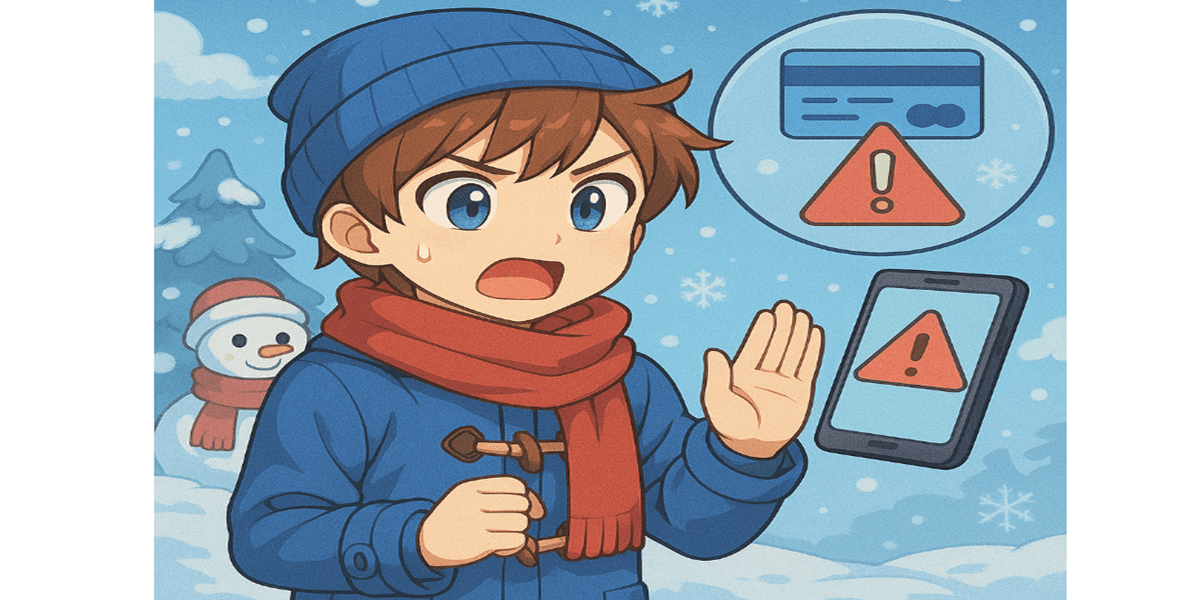
Winter brings cozy sweaters, twinkling lights, holiday treats, and plenty of opportunities to reconnect with loved ones. But it also brings something far less cheerful: a massive surge in scams and fraud attempts. As temperatures drop, fraud activity rises—with scammers taking full advantage of busy shoppers, distracted travelers, rushed decisions, and festive generosity.
From fake delivery notices to fraudulent charity drives, winter is the peak season for identity theft and financial scams in the United States. But the good news? With the right awareness and simple protective habits, you can freeze fraud in its tracks and enjoy a safe, joyful holiday season.
Let’s unwrap the most common winter scams—and the smart steps to keep yourself protected.
🎁 Why Winter Scams Increase So Much
Fraudsters prefer winter for one reason: opportunity. Here’s why this season is “open season” for scammers:
❄️ 1. Online shopping skyrockets
Holiday gift-buying means millions of consumers entering payment details across multiple sites.
🎄 2. Delivery notifications become more believable
People expect packages—so fake “delivery failed” messages appear legitimate.
🕯️ 3. Seasonal emotions run high
Warm feelings of generosity make people more vulnerable to charity scams.
🧤 4. Cold weather = more online activity
People shop, donate, and browse more from home.
💳 5. Travel increases
Travelers are distracted and often use public Wi-Fi.
🛍️ 6. Holiday deals create urgency
“Limited-time” sales encourage fast decisions—perfect for scammers to exploit.
Awareness is your first and strongest shield. Let’s look at the fraud tactics making the rounds this winter.
⛄ 1. Fake Retail Websites (The “Too Good to Be True” Trap)
Nothing melts holiday cheer faster than realizing the “deal of the century” was actually a scam.
Scammers create highly convincing fake versions of major retailers, including:
Amazon
Walmart
Target
Best Buy
Macy’s
Kohl’s
They mimic branding perfectly, but their true goal is to steal:
Your card details
Your address
Your login info
Your money
🧊 How to freeze this fraud:
Only shop on trusted websites
Check the URL carefully (look for misspellings)
Avoid deals that seem impossibly low
Pay with credit cards, not debit cards
Use secure payment options like PayPal or Apple Pay
When in doubt, Google the retailer manually—never click ads or pop-ups.
📦 2. Delivery Scams (The “Your Package Couldn’t Be Delivered” Text)
Scammers send texts pretending to be:
UPS
USPS
FedEx
Amazon
These texts usually say: “Your package is delayed—click to reschedule.” “Delivery failed—update your address.” “Your shipment is pending payment.”
Once you click, they steal your personal or payment info.
🧊 How to freeze this fraud:
Never click links in delivery texts
Check your official tracking number on the retailer’s website
Know that real carriers never ask for payment to deliver packages
Block suspicious numbers
If a delivery company needs you, they’ll leave a notice at your door—not demand credit card details by text.
🎄 3. Gift Card Scams (The Holiday Classic Fraud)
Gift cards are a scammer’s winter wonderland because they’re:
Fast
Untraceable
Nearly impossible to recover
Common scams:
Fake job offers that require buying gift cards
Romance scams requesting gift card “gifts”
Fraudsters posing as Amazon or Apple support
“Pay us in gift cards” tax, debt, or utility scams (always 100% fake)
🧊 How to freeze this fraud:
Never buy gift cards as payment
No legitimate business or agency will ever ask for gift cards
Hang up immediately if someone demands one
Report gift card scams to the card issuer and FTC
Gift cards are for gifting—not paying bills or solving problems.
❄️ 4. Fake Charity Requests (“Holiday Generosity” Scams)
Scammers use emotional stories and holiday goodwill to steal donations. They may:
Create fake charity websites
Call pretending to represent real organizations
Use high-pressure tactics
Send misleading social media ads
🧊 How to freeze this fraud:
Donate only on official websites
Verify charities on: Give.org, CharityNavigator.org, or IRS.gov (Tax-Exempt Search)
Avoid donating by phone or text
Be cautious of emotional appeals
Your generosity should go to real people—not holiday scammers.
🎁 5. Seasonal Job Scams
Extra cash during the holidays is tempting—but scammers know that too.
Fake job postings promise:
Work-from-home gigs
High pay
Easy hours
They often request:
Your SSN
Your driver’s license
Banking details
Upfront “training fees” (always a scam)
🧊 How to freeze this fraud:
Apply only through official employer websites
Never pay for a job
Avoid giving personal details too early
Use LinkedIn or Indeed verified listings
A real job pays you—you never pay them.
🌨️ 6. Travel Scams (As Common as Snow)
Holiday trips make consumers vulnerable to:
Fake rental listings
Fake airline tickets
Phony travel agencies
Spoofed hotel booking confirmations
🧊 How to freeze this fraud:
Book directly with airlines, hotels, or known travel sites
Avoid wiring money
Read property reviews carefully
Check cancellation policies
If the vacation deal seems magical—even for Christmas—question it.
🛍️ 7. Social Media Shopping Scams
Platforms like Facebook, Instagram, and TikTok are full of ads for:
“Winter blowout sales!”
“70% off luxury gifts!”
“Free shipping—today only!”
Many lead to:
Counterfeit products
Never-shipped items
Personal data theft
🧊 How to freeze this fraud:
Avoid buying from ads
Research unknown brands
Check complaints on BBB.org
Pay with secure methods
A pretty ad doesn’t guarantee a real business.
🧊 8. Account Takeover Attempts (ATO)
Scammers try to log into your accounts using:
Old leaked passwords
Password-reset scams
Fake login pages
Once inside, they can:
Shop
Steal stored card details
Change your address
Lock you out
🧊 How to freeze this fraud:
Enable two-factor authentication
Use unique passwords
Update old credentials
Set up login notifications
This is one of the fastest-growing winter threats.
🔥 What To Do If You Fall for a Winter Scam
It happens—even to smart, careful people.
Act fast:
Contact your bank or card issuer
Freeze your credit with Experian, Equifax, and TransUnion
Change all passwords
Enable 2FA immediately
Check your credit reports
Report identity theft at IdentityTheft.gov
Monitor accounts daily for at least 30 days
Swift action puts scammers out in the cold.
✨ Final Thoughts: Protect Your Snowy Season
Your holiday plans should include joy—not fraud headaches. By staying aware, identifying red flags, and using smart digital habits, you can make the winter season safer for your finances, your identity, and your peace of mind.
Remember: 🛡 A few smart steps now can prevent big problems later. 🎁 Protect your information like a treasured gift. ❄️ And let scammers know they can’t melt your holiday cheer.